Bird Watching in The Gambia
Introduction
Despite increasing population and habitat pressures, The Gambia remains a remarkable destination for birdwatching. These include a mix of Afrotropical residents and Palearctic migrants, some of which are of global conservation concern.
Situated just south of the Sahara, The Gambia plays a vital role as a wintering ground and stopover for countless migratory birds. Its diverse wetlands and dry-season savannas offer essential refuge and feeding sites for both waterbirds and passerines from Europe and Africa.
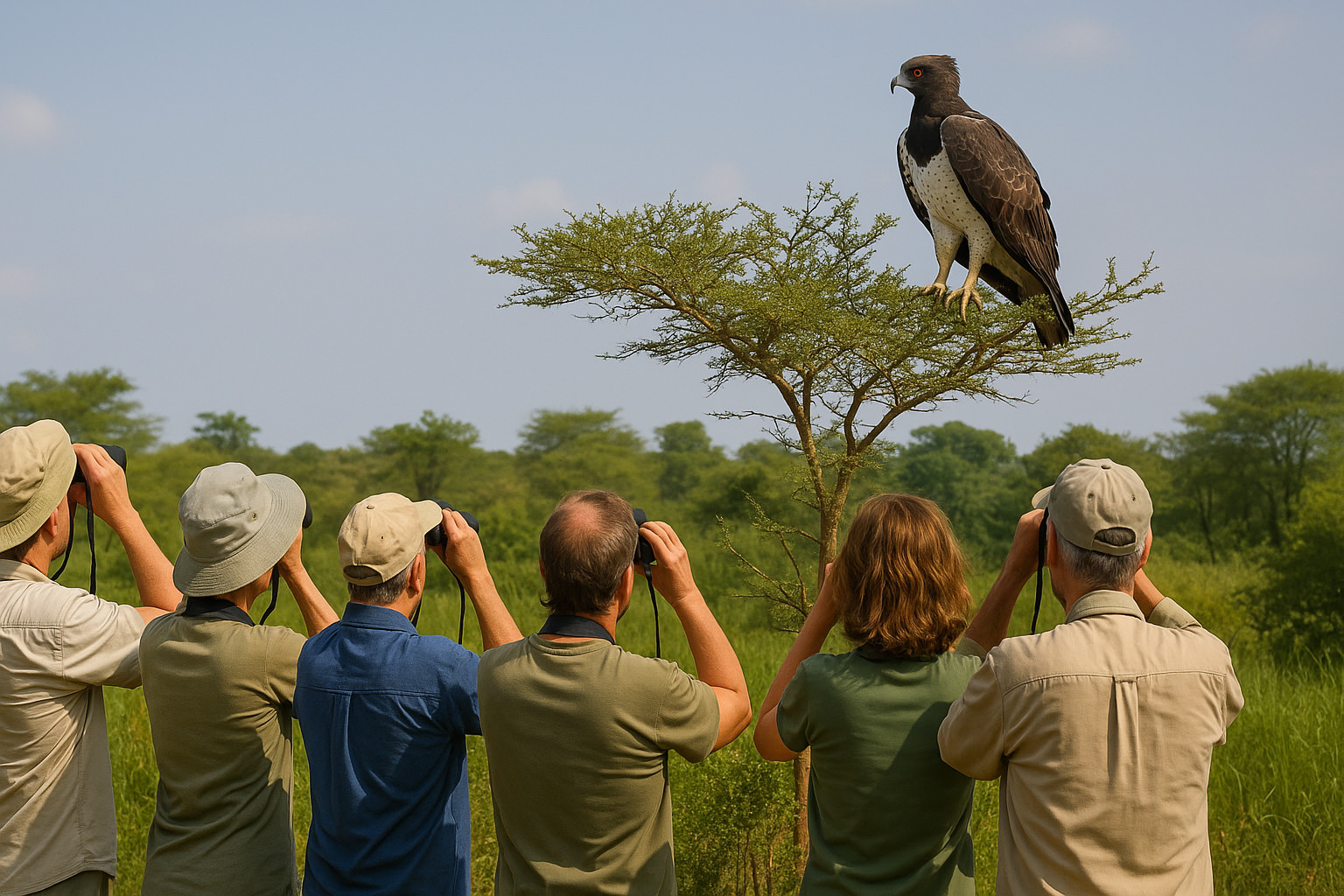
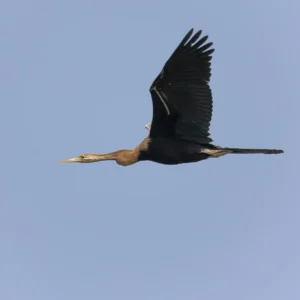
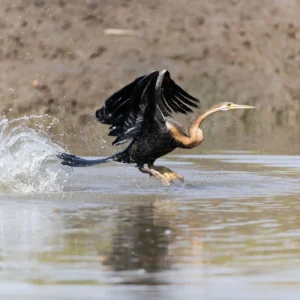
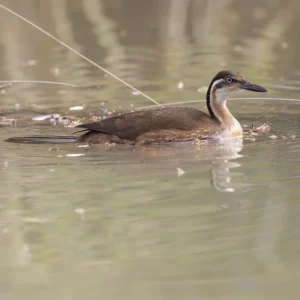
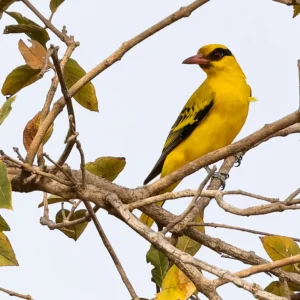
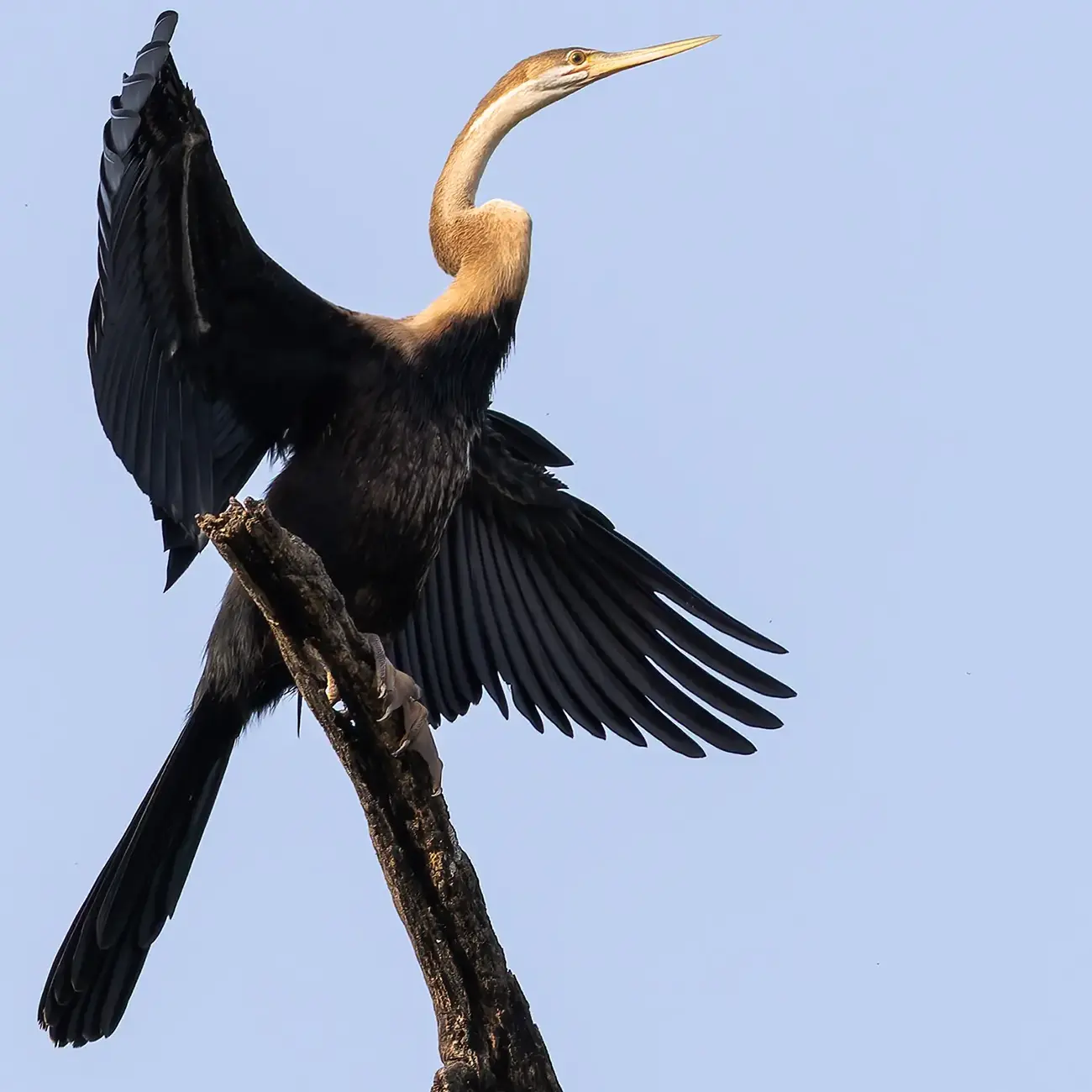
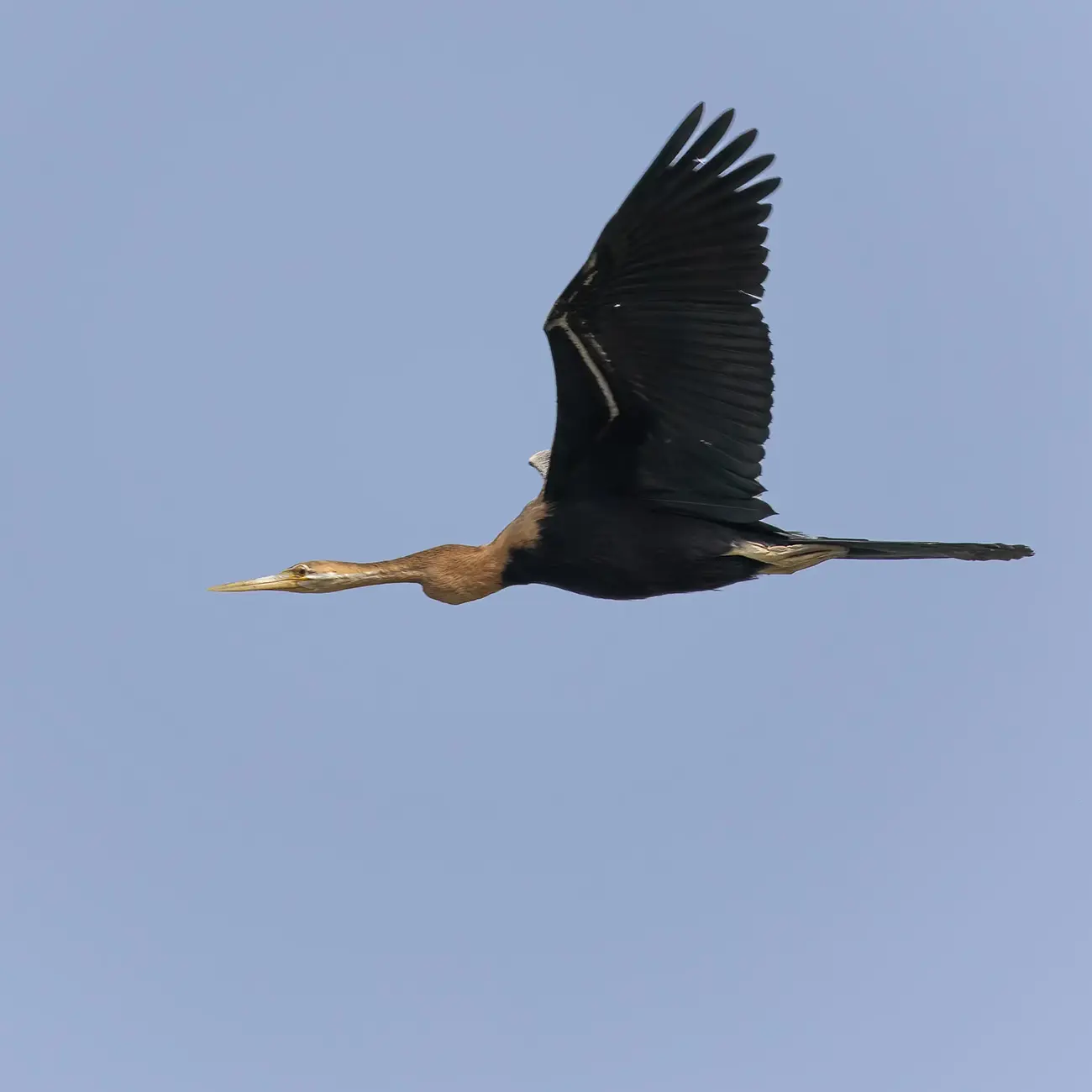
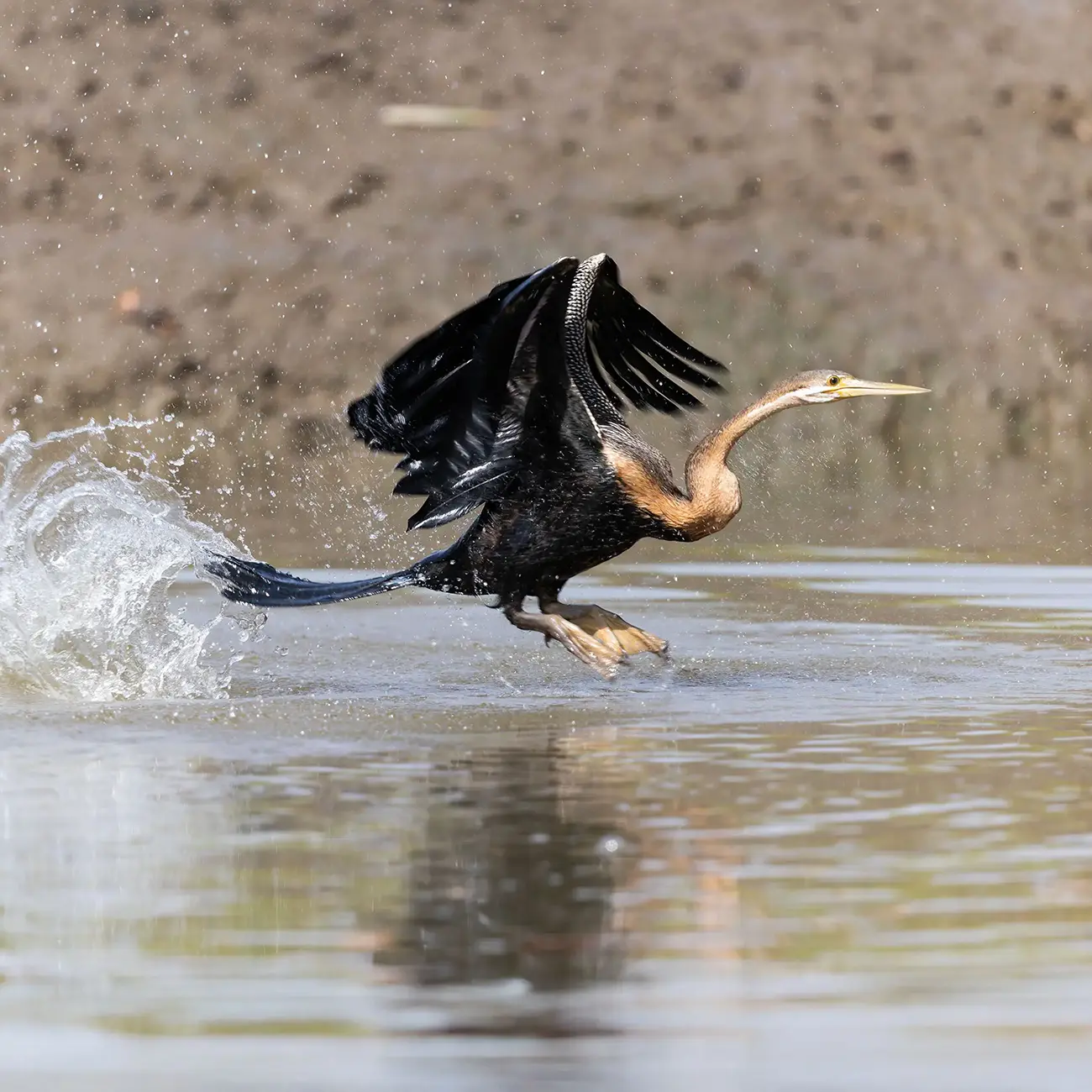
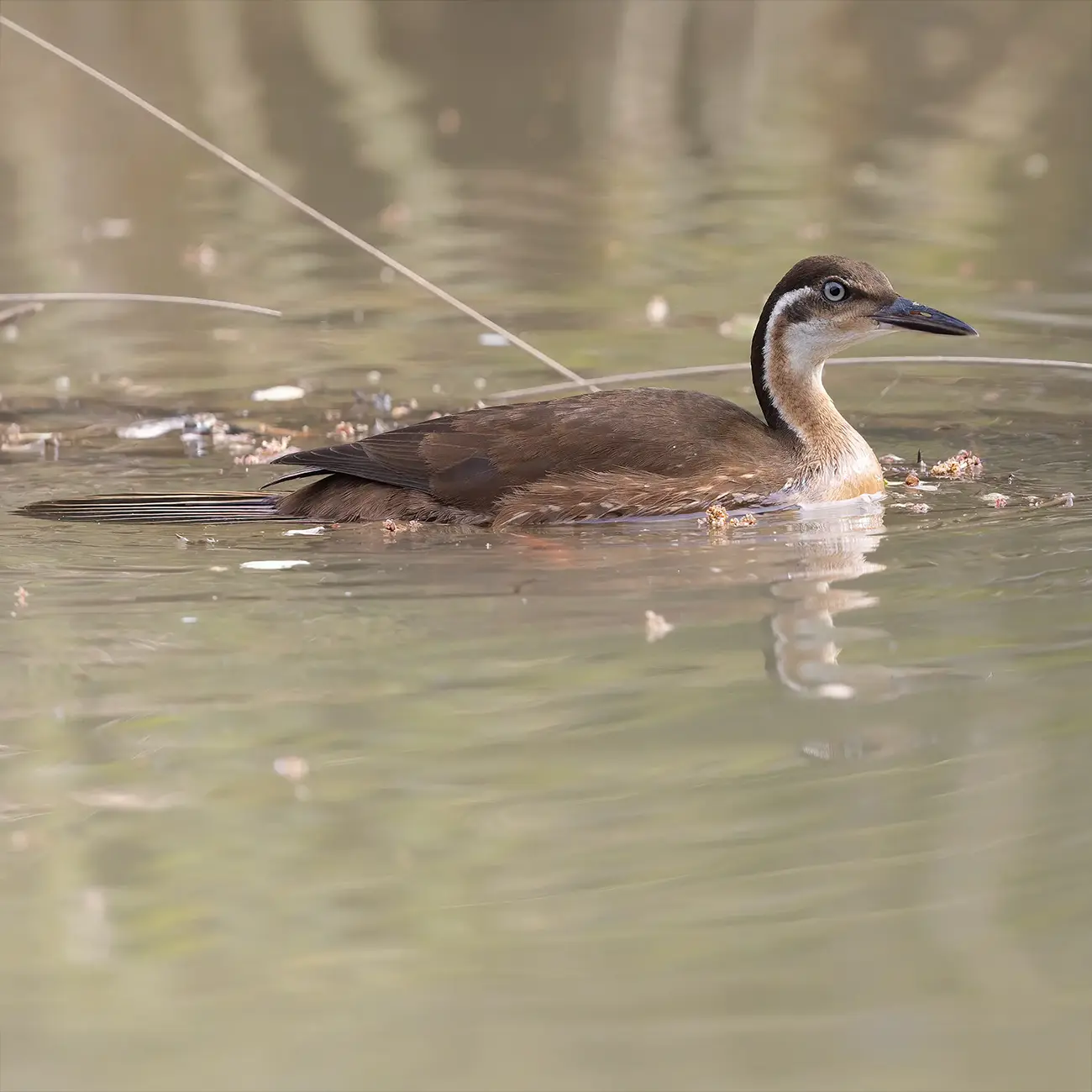
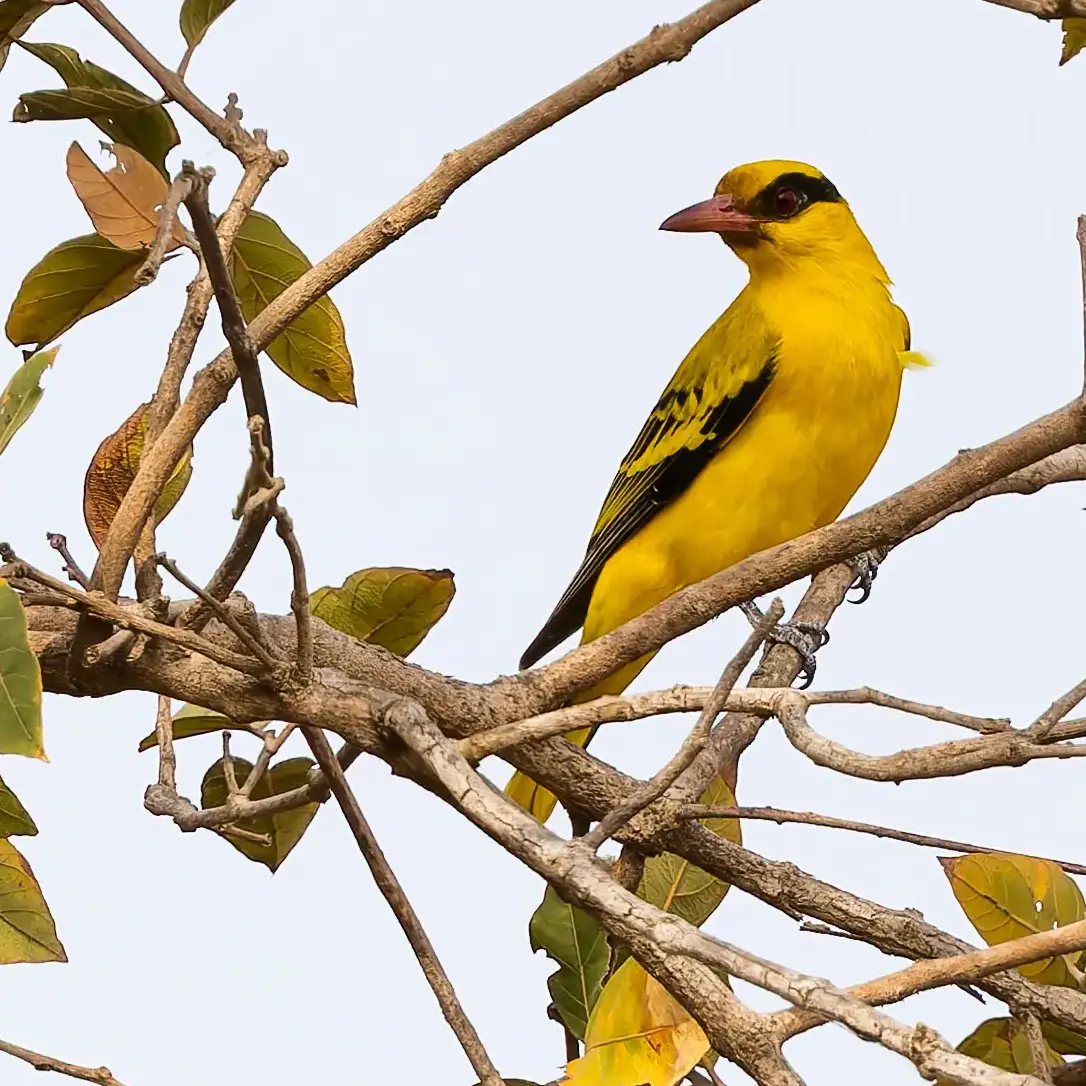
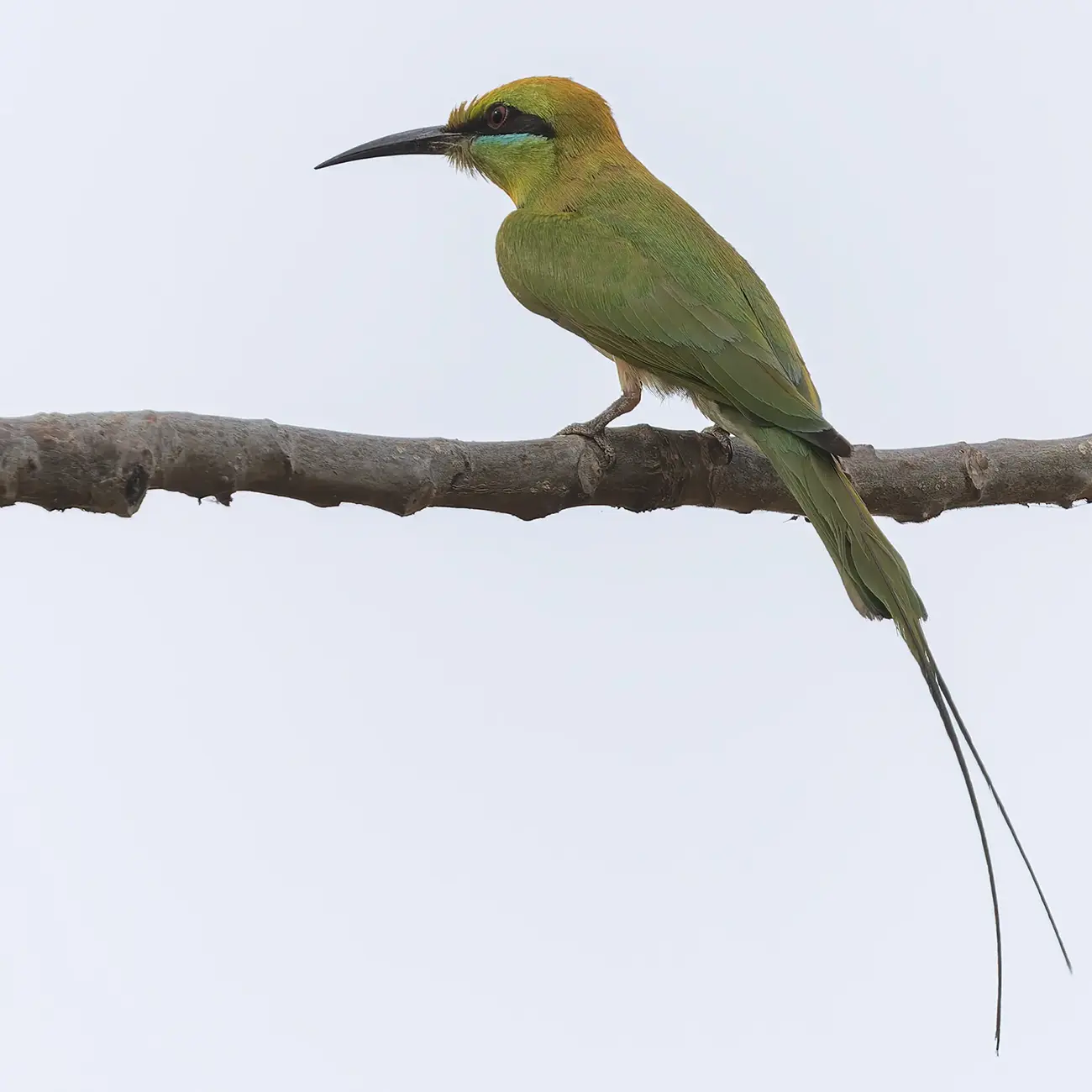
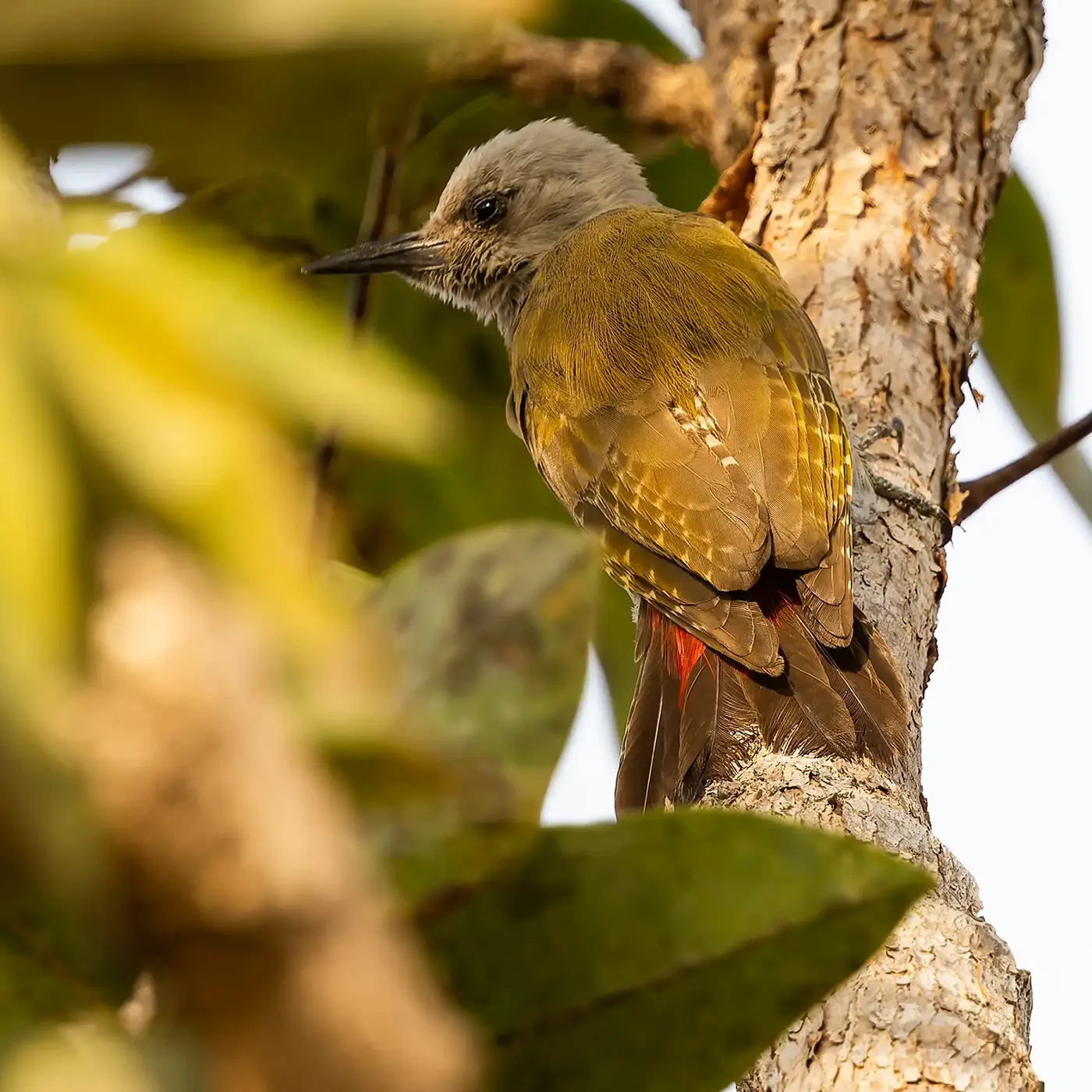
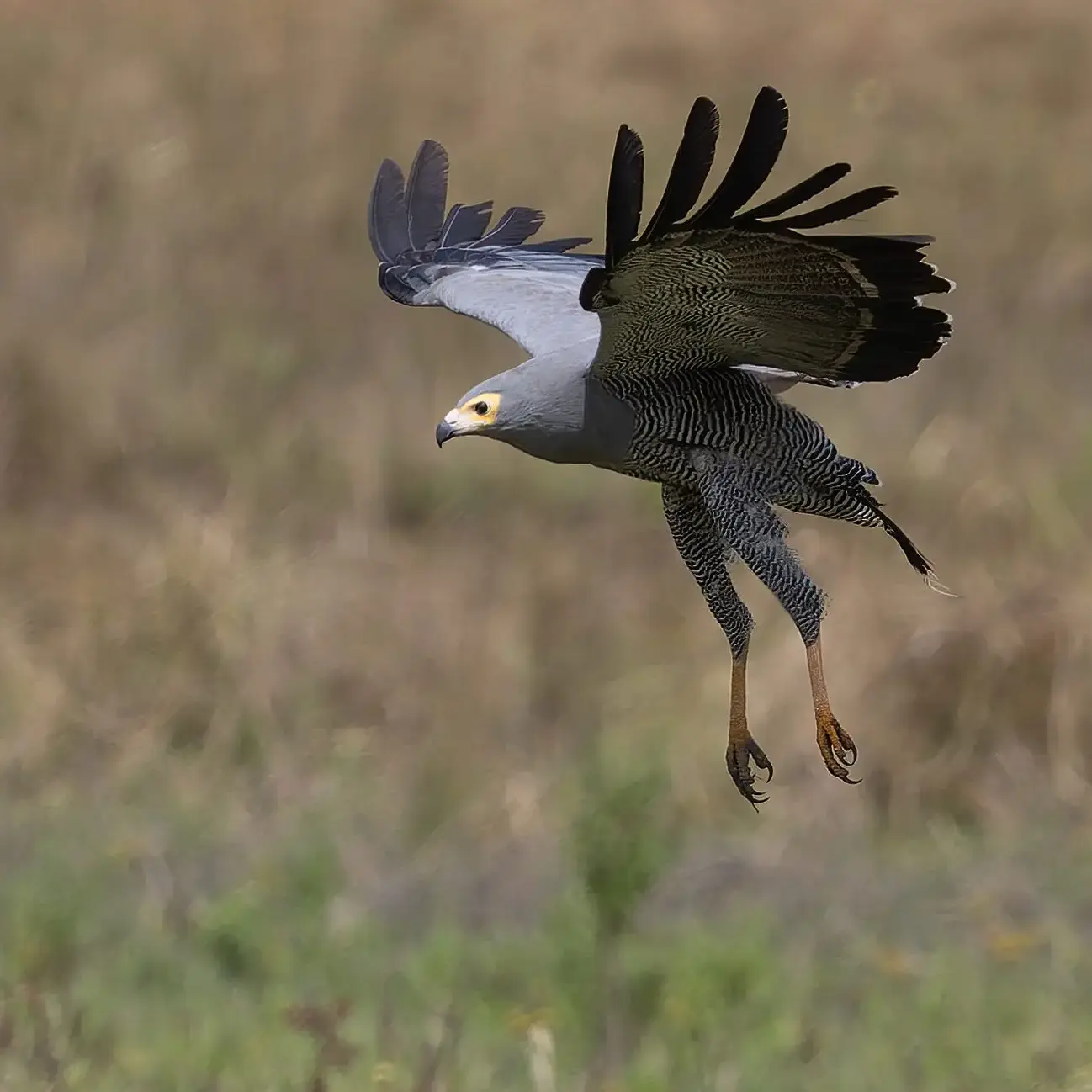
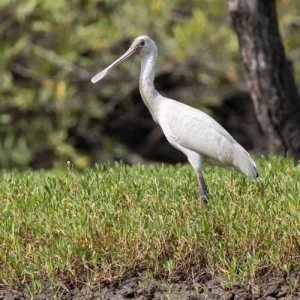
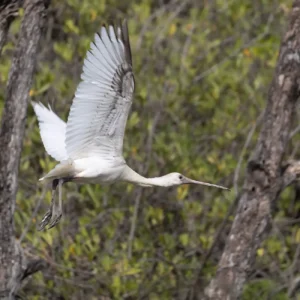
The Gambia, West Africa’s smallest mainland country, holds a surprisingly significant place in the world of birdwatching. Despite being just 48 kilometers wide and around 480 kilometers long, The Gambia offers an exceptional range of bird habitats: lush riverine forests, coastal wetlands, savannah grasslands, mangrove swamps, and dry woodlands. This ecological diversity supports more than 580 bird species, making it a premier destination for ornithologists and amateur birders alike.
Testimonials
Dec 2024 • Solo
Amazing experience, Ansuman organized for me kayaking in mangrove forest and birdwatching, which was amazing! We’ve spent a lot of time there, and spotted and photographed a lot of local birds! He told me all about them too. Afterwards, he took me to local fish market and lunch. Next day I got photos of me on a kayak which was really nice as I usually don’t have photos of myself from trips 🙂 That was my favorite experience from Gambia and would recommend Ansuman’s service to everyone!
Dec 2024 • Couples
Ansu is a very friendly, knowledgeable and accommodating guide. My husband and I visited Tanji and Tanji Bird Reserve with Ansu, and had an excellent guided walk and experience. We saw many different bird species, which my husband was able to have time to photograph. The walk was unhurried, allowing us time to observe and take everything in. Reasonable priced. Would highly recommend.
Nov 2023 • Solo
Ansuman.
A very knowledgeable and keen guide , I have been out with ( best boy ) many times.
His expertise in spotting bird / wildlife is very good , the sounds of the birds and he is calling them spot on. Well done Best boy , I would recommend you 100%
Nov 2023 • Couples
We went on Safari in Senegal. The support was verry good. My wife can’t walk very well, and they even got her wheelchair from our hotel to assist her at the ferry.
We saw many animals, and made good pictures of white rinoh, giraffes, gazelles, wild boar and monkeys.
Nov 2023 • Family
Me and my father enjoyed two trips with Ansumana. At first we made one day trip from Gambia to Senegal o the safari park Fathala, it was such a nice experience, so we decided to o with Ansumana also for the 2 day trip up the river Gambia to the Georgetown. We learnt a lot about local people and culture and enjoyed a lot wild nature. Ansumana can arrange everything you need and he is very frinedly. Let´s ask him to arrange a whatever trip for you in Gambia 😉 Thanks Ansumana.
Apr 2023 • Friends
It was the 3x that we make one trip with best boy he is the best bird,animal guide we ever meet if you looking for one guide Best boy is the best!!!!
Jan 2022 • Solo
Last week i could spend a morning together with Ansuman.
He profides you super binoculars so even a newcomer like me can spot birds. As we did.
Ansuman knows a lot details and makes time fly.
Next time I’ll be with him spotting again
I spent a morning with BestBoy at Abuko Forest and we were very lucky and saw a lot of birds! BestBoy is an excellent spotter, knows the species and is an all round good guy. What I found especially convenient was he picked me up from Sanyang beach where I’d been staying for 2 nights and dropped me off after the tour at Senegambia where I was staying next which saved me try hassle of arranging transport or catching probably 3 buses! He also arranged my transport back to the airport. You can contact BestBoy on WhatsApp +220 680 9110
Best boy is the best man. The best man you can get as bird guide. He is very professional and takes all the time you need or want. He takes you to every place in Gambia or Senegal. Nearby, the gardens of the hotel, the golfcourse or more inland. For a few hours or a a more days trip. He’s vey reliable and I’m sure everybody can learn from him, the beginner and the advanced bird watchers. Ask for best boy and you are sure to get the best man.
Jun 2019 • Couples
Excursions with Best Boy Tours are highly recommended. The organization has always worked great and we also appreciated the competent expertise.
Apr 2018 • Solo
Had a fantastic week trip around The Gambia with Ansuman in 2018. Saw about 150 species of birds in the week and got some great photos. I would recommend Ansu as a guide if you plan to visit.
Dec 2018 • Couples
We used Best Boy several times in our stay in Gambia! Very nice and helpful. Always there to help. Highly recommended!
Apr 2018 • Friends
My visit to Gambia was a succes thanks to best boy. Hè knows the places where to see birds. Knows their habits and I learned a lot.
In February my parents and I were in the Gambia and met Ansumana. We decided to book a tour with him. This was a great experience and we decided to do all our tours with him. Ansumana is a very friendly, flexible kind and knowledgable guide. He especially has a lot of knowledge on birds. My father really enjoys bird watching so this was a big plus for us. He could spot birds in impossible positions and explain the type in detail. We would highly recommend him to everybody!
Jan 2019 • Family
Fantastic holiday in Gambia with Anusama as guide. He brought us to many nice places. And he is a great guide he finds al the birds.
How it all started
Birdwatching in The Gambia began to take shape in the 1960s and early 70s. European naturalists and ornithologists, particularly from the UK, started exploring West Africa more actively, drawn by the region’s rich biodiversity and relatively under-studied avifauna. The Gambia stood out for its political stability, safety, and English-speaking population — all significant advantages compared to neighboring countries. Early birdwatchers were often associated with university research teams or came as adventurous eco-travelers looking for unexplored birding frontiers.
These early expeditions laid the groundwork for what would become a growing interest in The Gambia as a winter birding destination. A key attraction was the ability to observe both African resident species and Palearctic migrants in close proximity.
By the 1980s, birdwatching had begun to develop into a tourism niche. Birding groups from Europe, especially the UK, started organizing dedicated tours. The first local bird guides emerged during this time — self-taught enthusiasts who developed remarkable field identification skills and intimate knowledge of the region’s hotspots. British naturalists and visiting tour leaders also played a role in training and mentoring local guides.
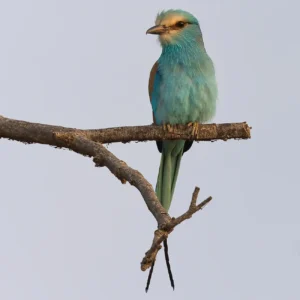
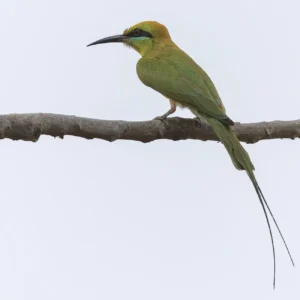
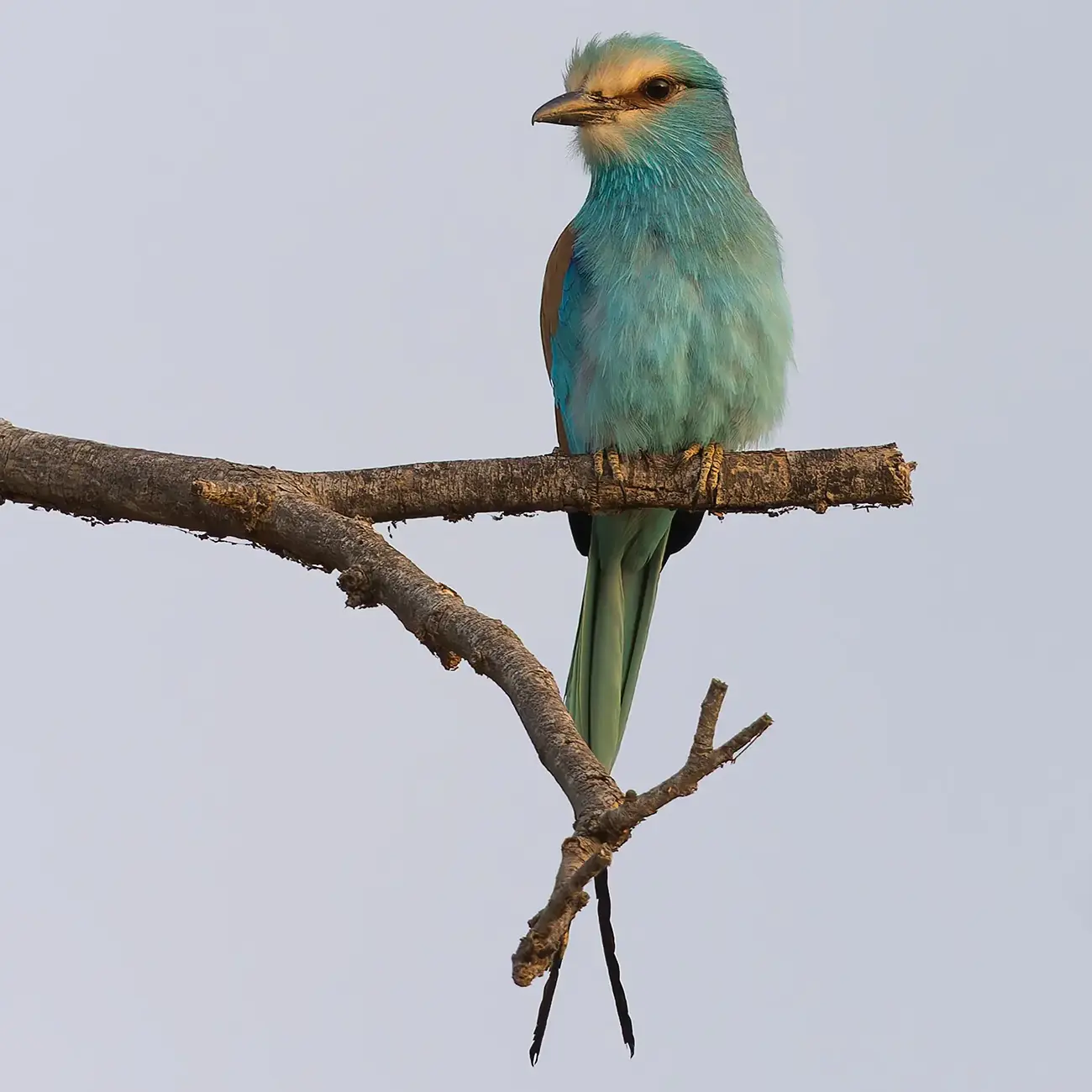
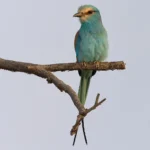
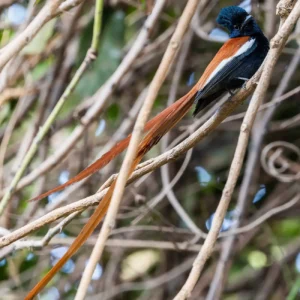
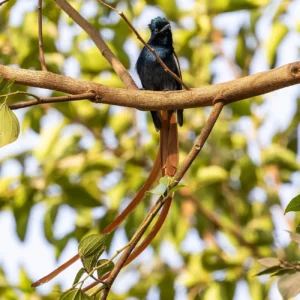
Areas like Kotu Creek, Abuko Nature Reserve, and Tendaba Camp became iconic birding destinations. Visitors could expect to see dazzling species such as the Abyssinian Roller, Northern Carmine Bee-eater, White-backed Night Heron, and the elusive Egyptian Plover. The small geographic size of the country allowed birders to cover diverse habitats within short distances, often yielding 150+ species in just a few days.
The Gambia as a Birding Hub
By the 1990s and 2000s, The Gambia had earned a reputation as one of the easiest and most productive birding destinations in Africa. Its infrastructure — including guesthouses and birding lodges — grew to accommodate the increasing number of eco-tourists. Local guides like became well known in the birding community, often mentioned by name in trip reports.
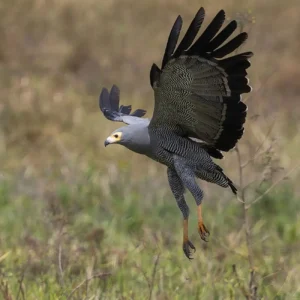
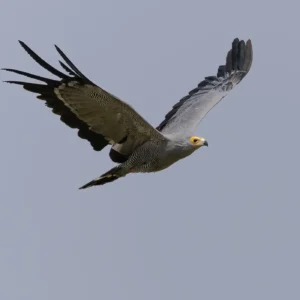
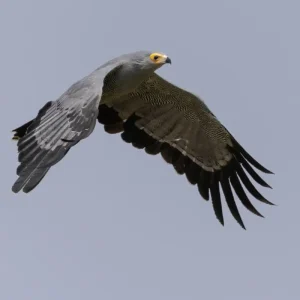
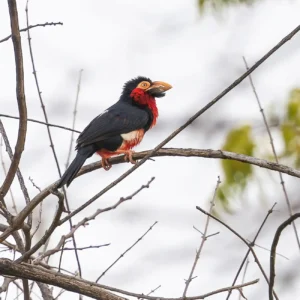
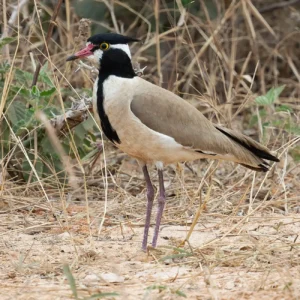
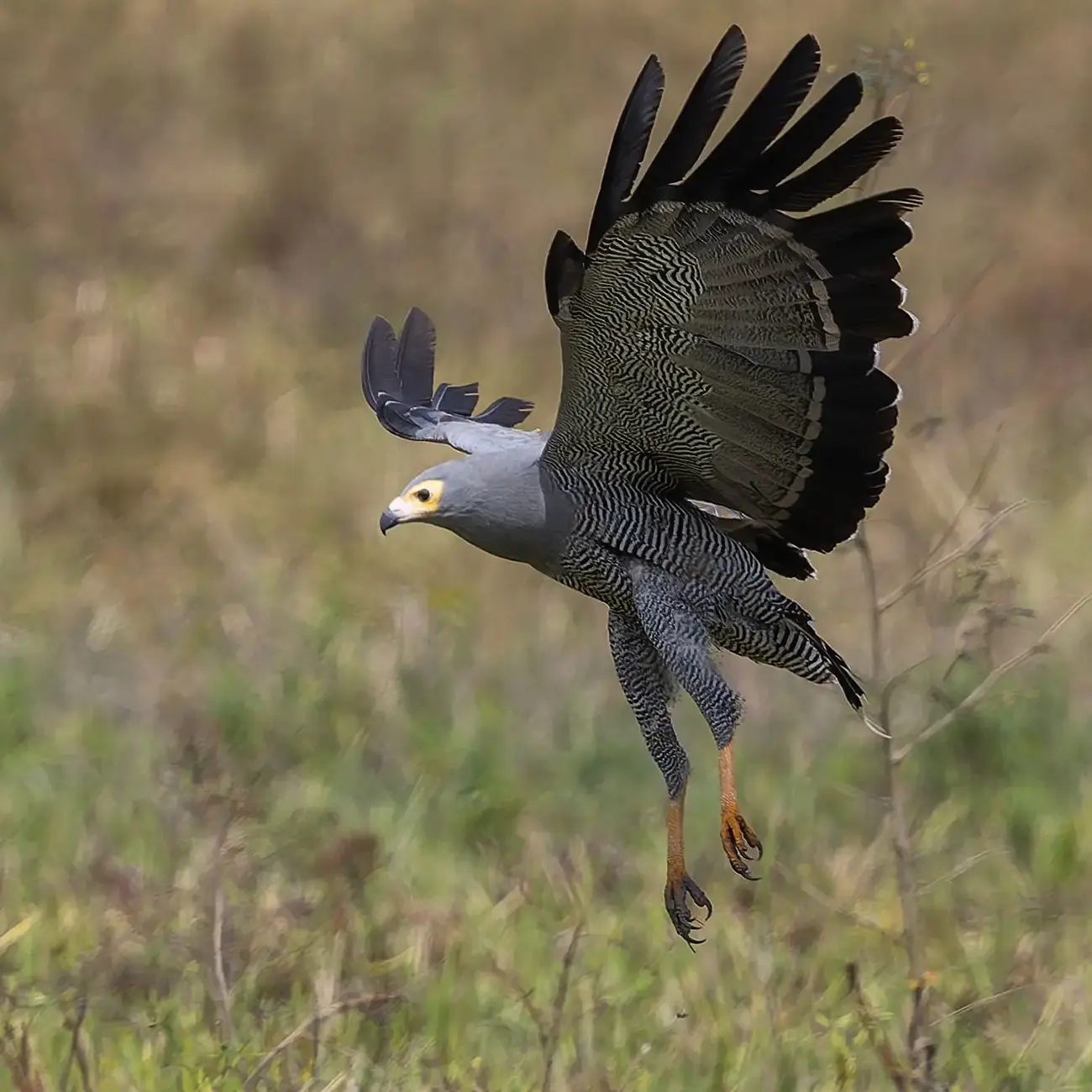
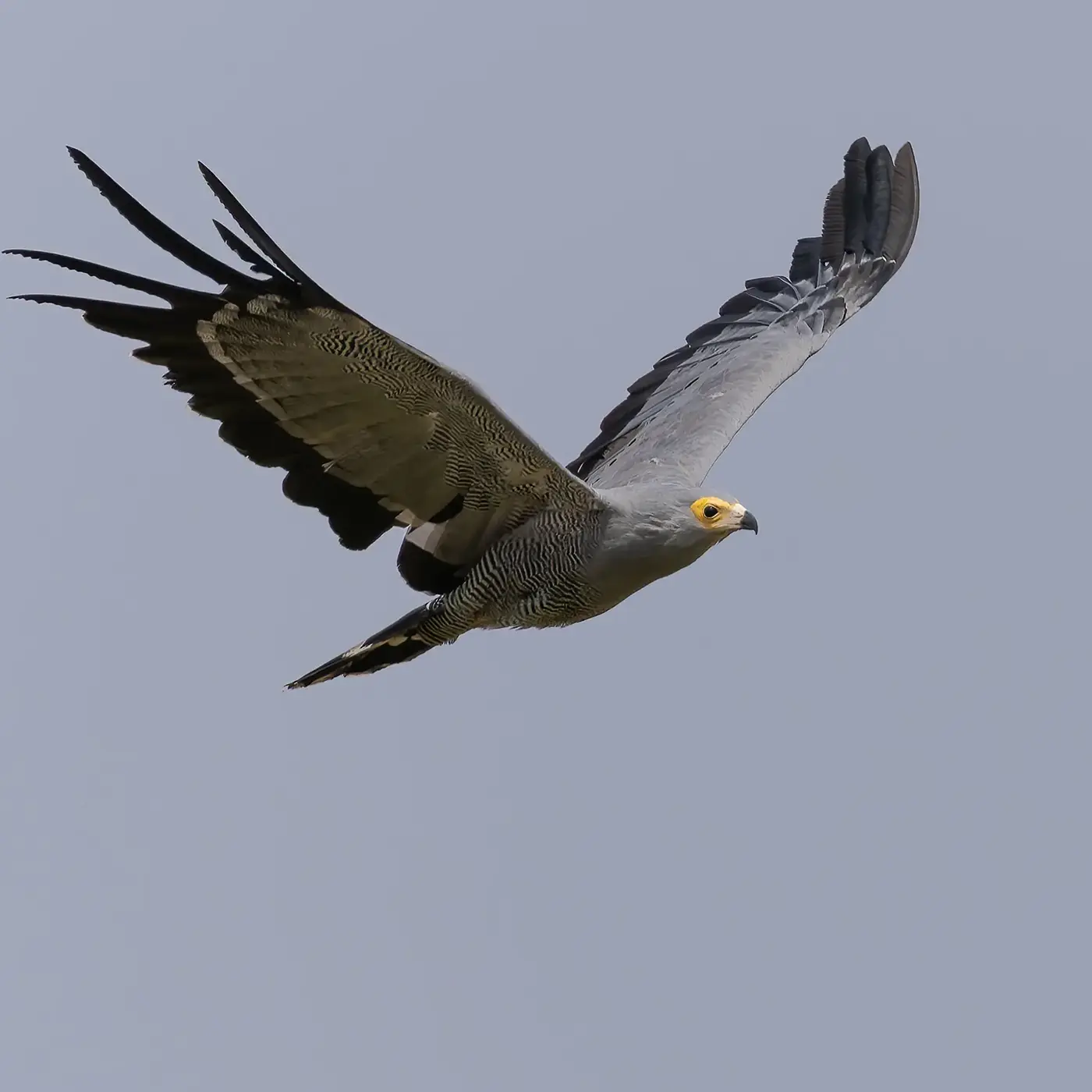
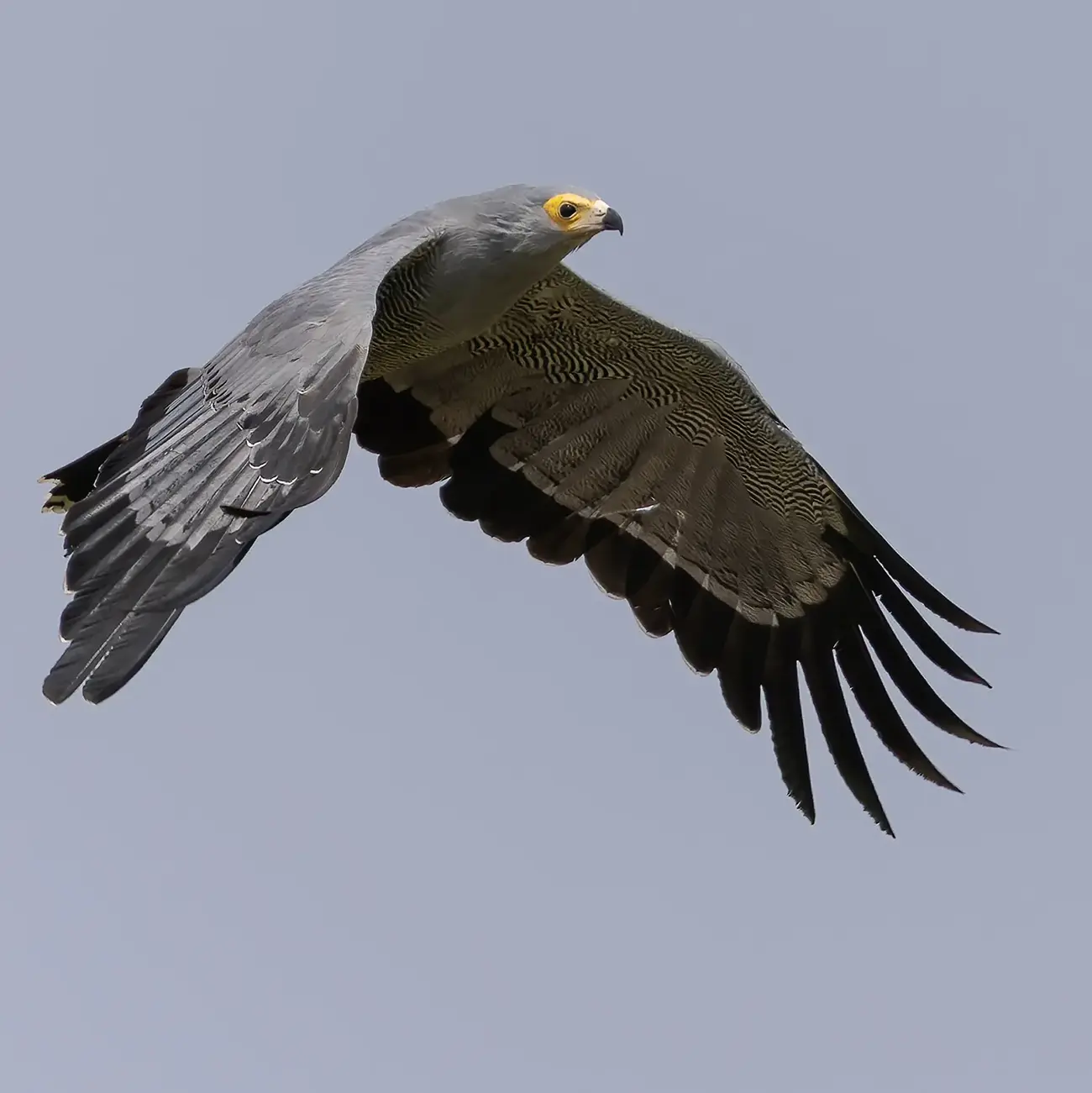
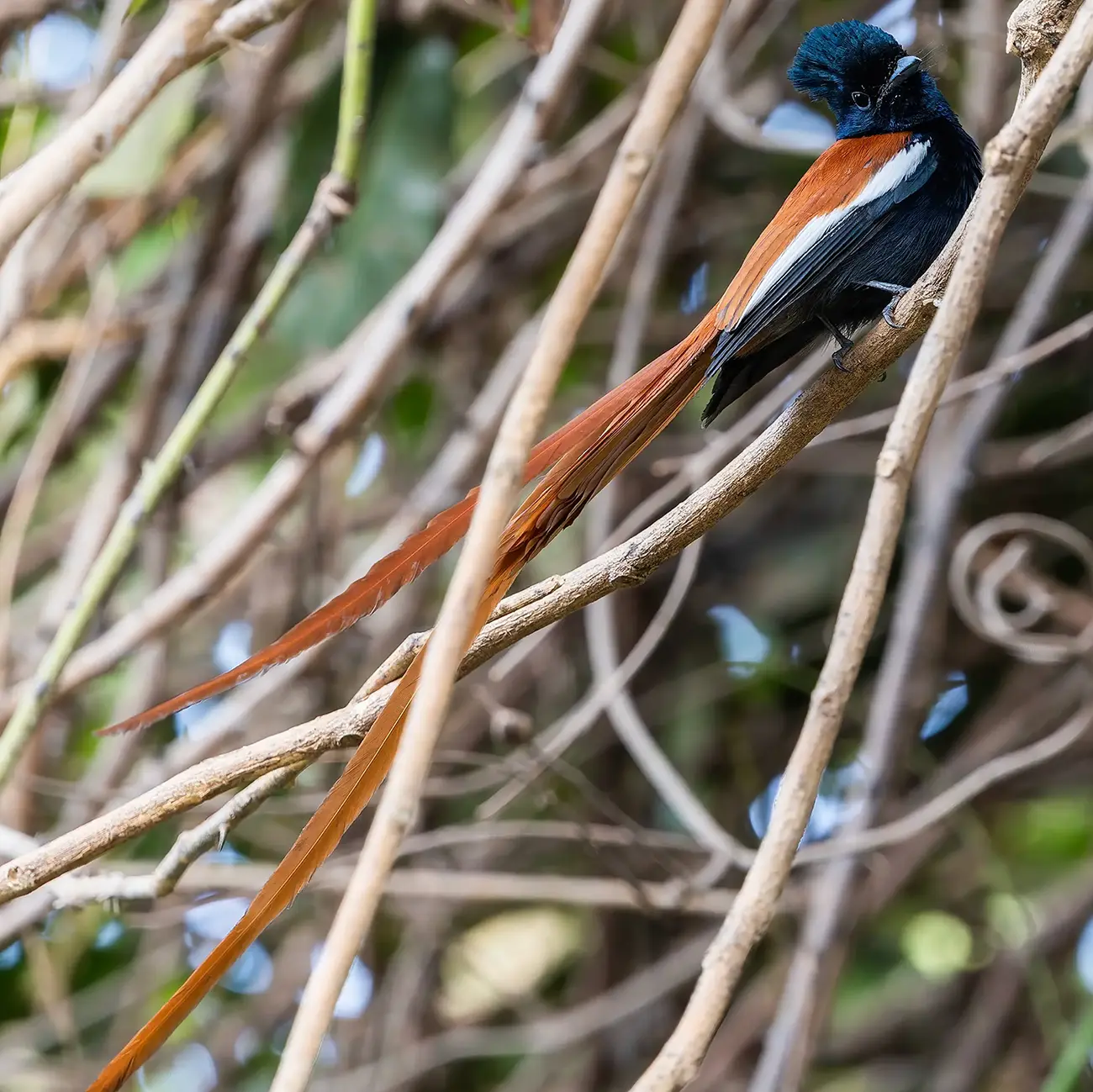
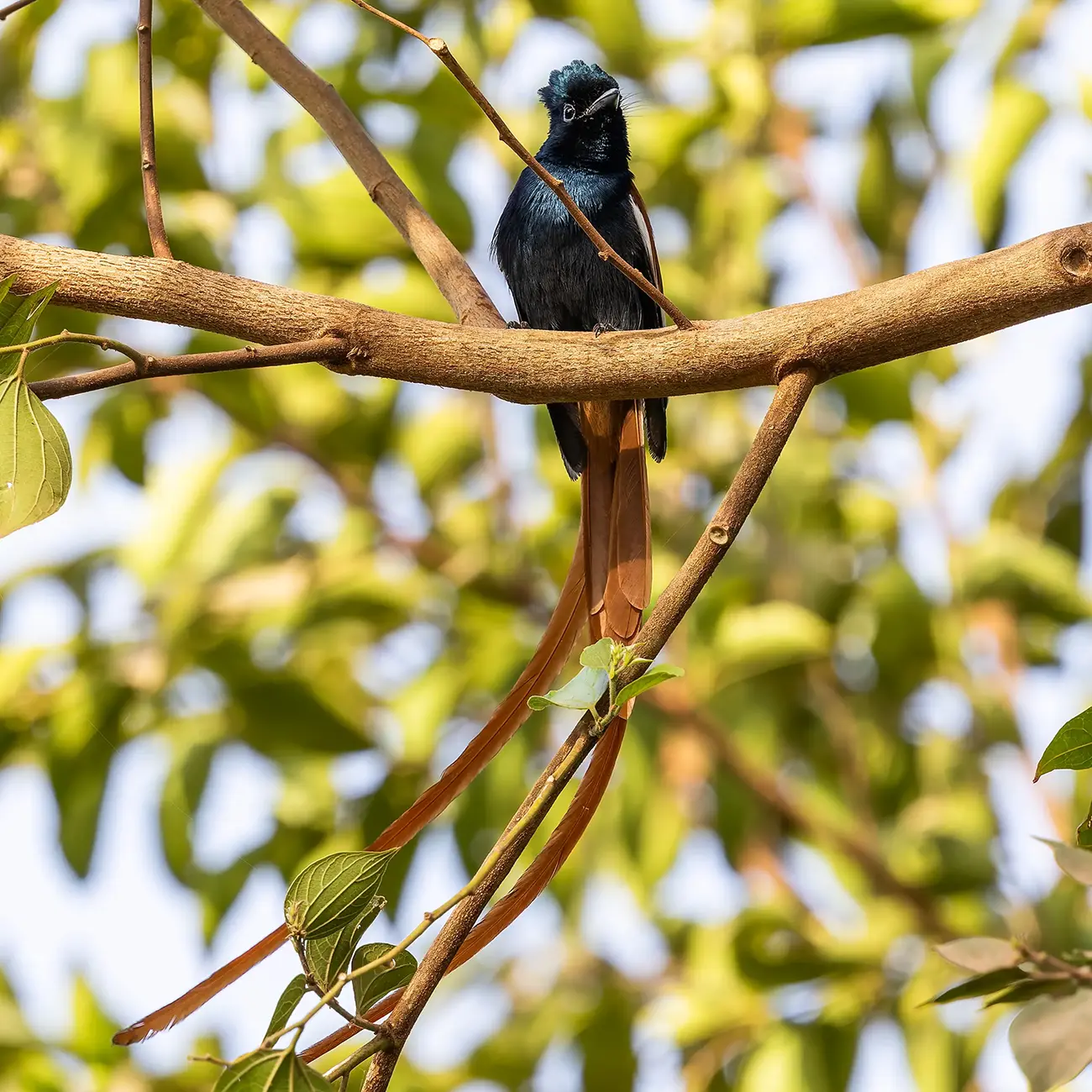
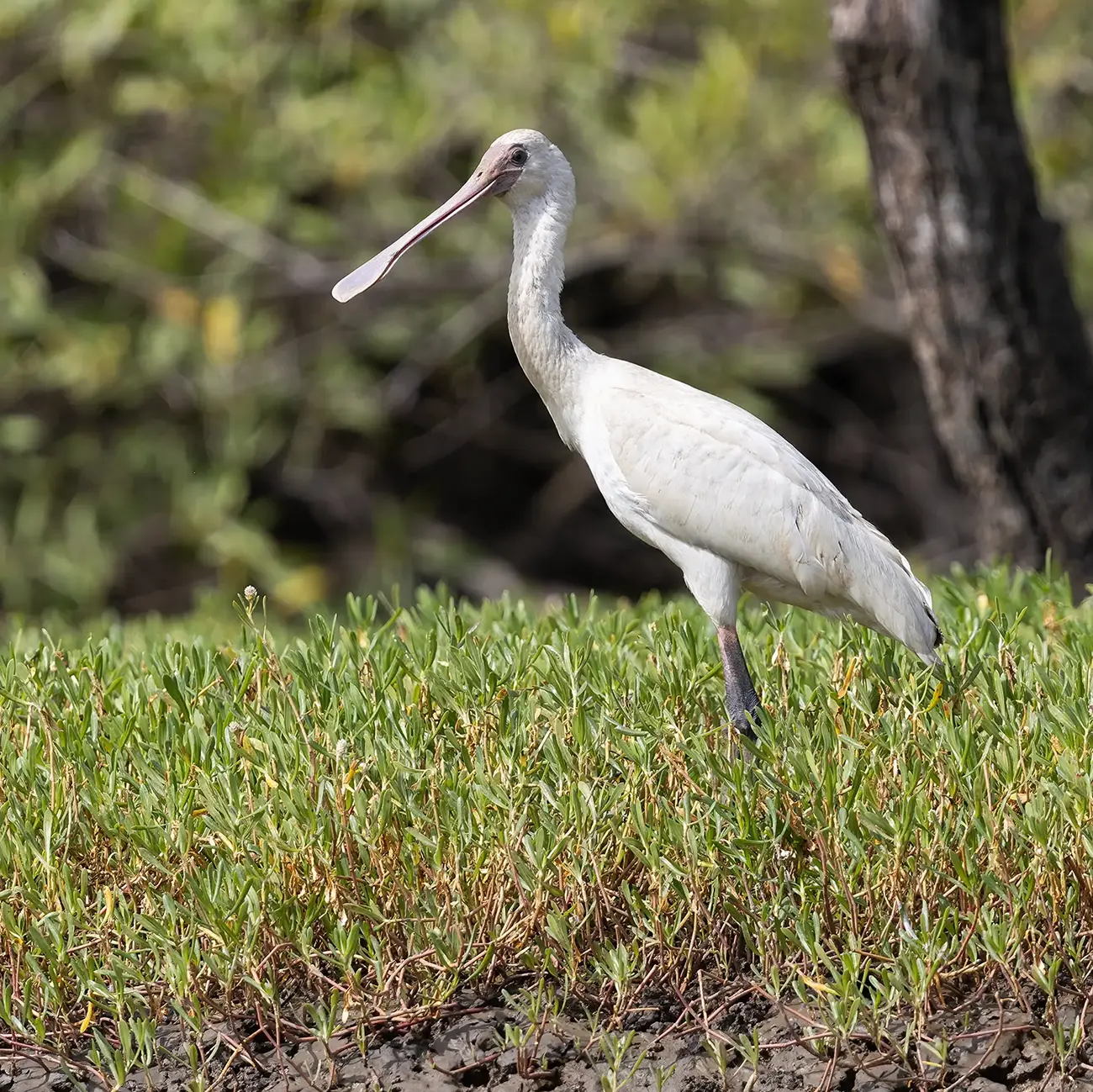
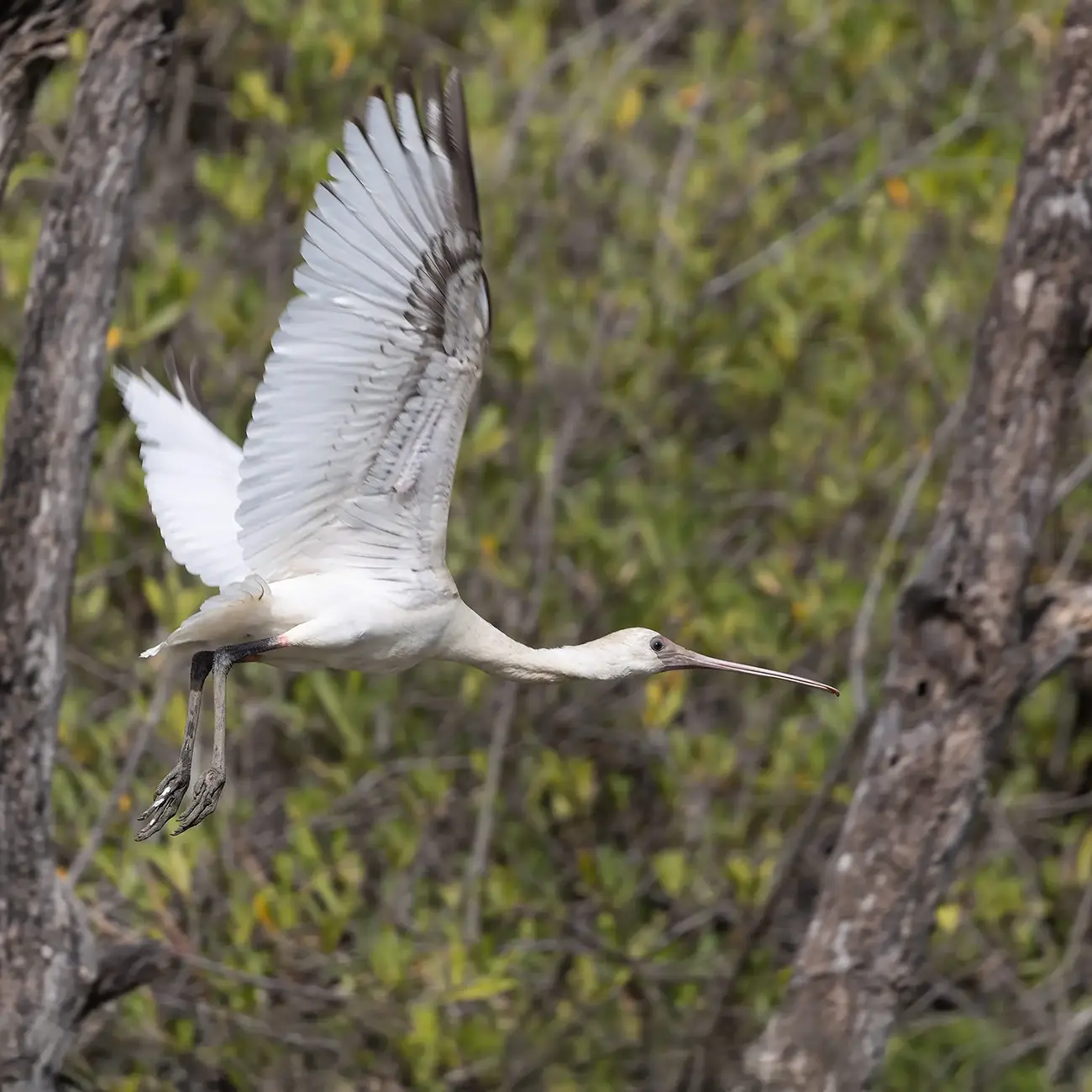
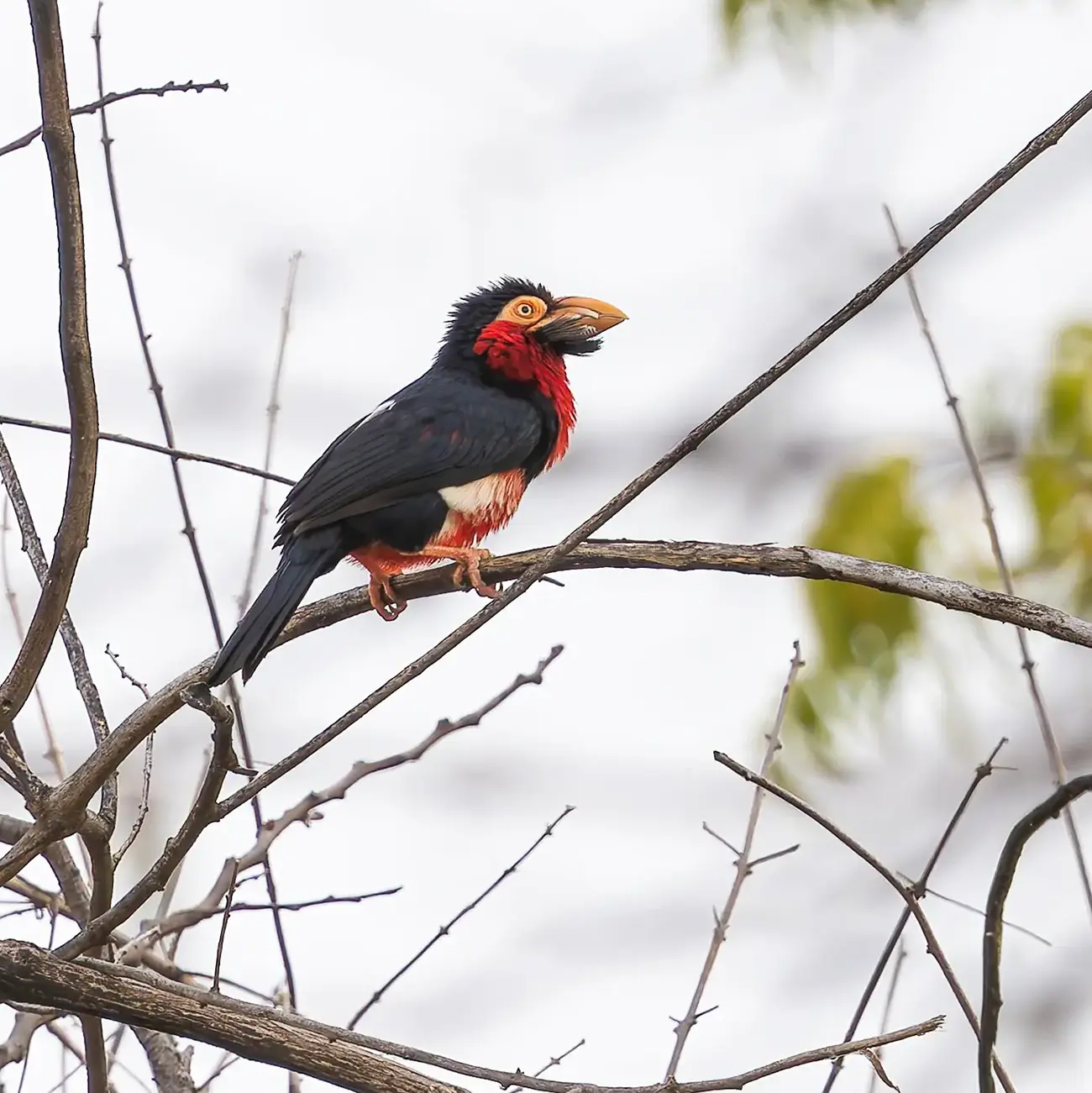
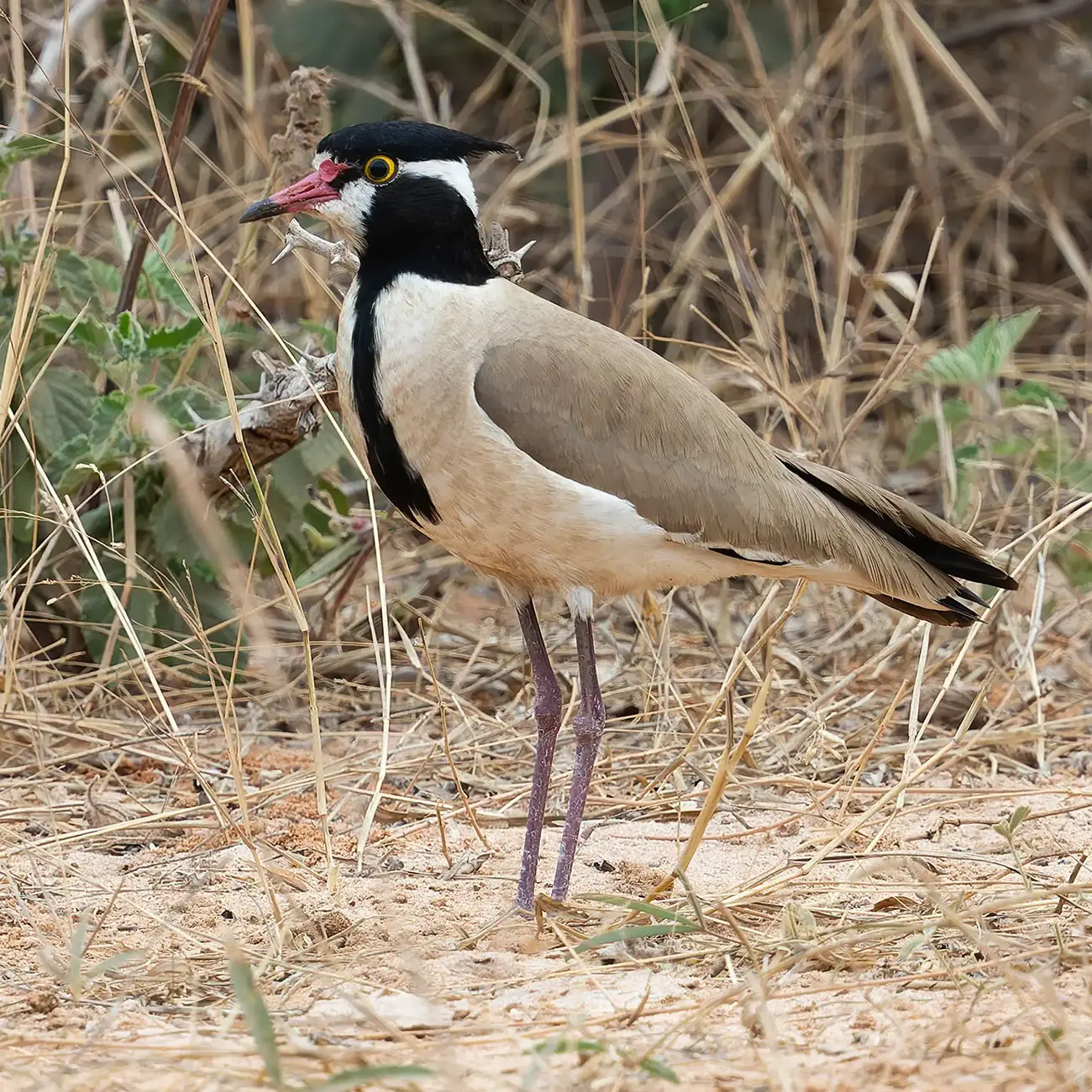
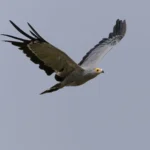
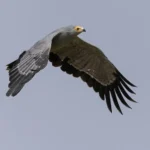
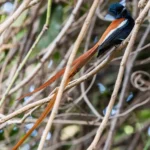
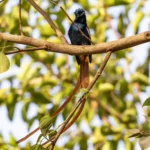
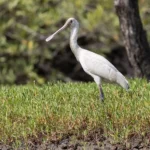
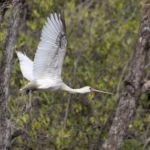
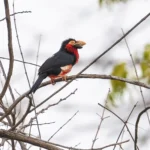
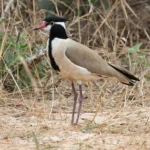
Several field guides and bird checklists began referencing Gambian records more frequently, and the country became a standard part of many West African birding itineraries. It also benefited from return visitors who came year after year, often building close friendships with their guides and supporting local conservation.
Conservation and Community Involvement
Birdwatching in The Gambia has not only been a source of tourism income but also a catalyst for conservation awareness. Organizations like the West African Bird Study Association (WABSA) and BirdLife International affiliates have conducted monitoring, education, and advocacy in the region. Local guides often serve as informal conservation stewards, protecting bird habitats from unsustainable development and educating villagers about the economic value of wildlife tourism.
Birding has also become a path of empowerment: many guides, some without formal education, have built professional careers through their skills and reputation in the field. Community-based tourism projects and eco-lodges have created employment while promoting habitat preservation.
Birds of Senegal and The Gambia second edition:
We recommend using the Birds of Senegal and The Gambia as a field guide. The book is available at Amazon.co.uk.
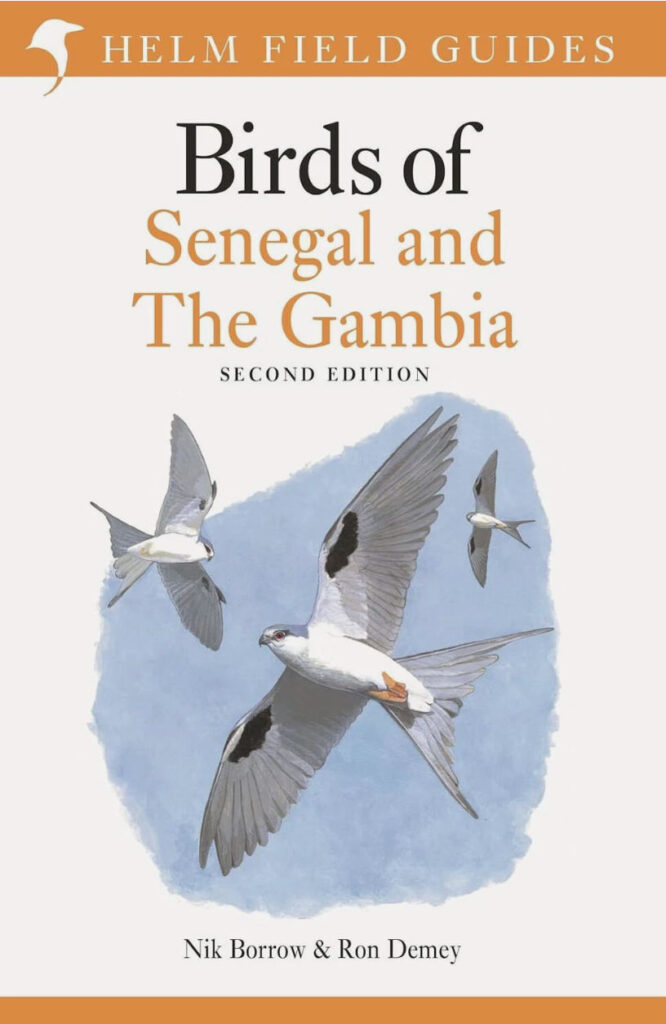
The second edition of Field Guide to Birds of Senegal and The Gambia by Nik Borrow and Ron Demey is a top-tier resource for Western African birders. With 149 crisp colour plates and updated distribution maps across 360 pages, it comprehensively covers over 700 species found in these two countries.
The artwork is impressive — Borrow’s illustrations are sharper than ever, and Demey’s text has been thoroughly revised to reflect current taxonomy and field knowledge. Highlights include newly split taxa and additional range data, especially helpful for serious travellers and photographers heading into the region.
One minor limitation is the compact format, which means some maps are on the smaller side, but this is a practical compromise for portability in the field. All things considered, this guide stands out in its class and is a must-have for anyone planning birding tours or photographic trips in The Gambia or Senegal.